Charter Bus vs Train for Group Travel: Which Option Wins?

Planning transportation for a large group is never as simple as picking whatever looks cheapest online. If you’ve narrowed your options down to a charter bus vs train for group travel, you’re already ahead of most planners, because these two are usually the most practical choices for moving 20, 50, or even 200 people at once. But the right answer depends on more than price. It hinges on your route, your budget, your schedule, and how much control you want over the journey itself.
In this guide, we’ll break down the real differences between chartering a bus and booking a train for a group trip. You’ll learn how costs actually compare once you factor in hidden fees, how flexible each option really is, what the experience feels like for passengers, and which choice makes more sense for specific situations like weddings, corporate retreats, school trips, and multi-city tours. By the end, you’ll have a clear framework for deciding which mode of transportation fits your group best.
Charter Bus vs Train for Group Travel: The Quick Comparison
Before we get into the details, here’s a snapshot of how charter buses and trains stack up against each other for group travel. Both have loyal fans, and both have legitimate drawbacks depending on your circumstances.
- Cost: Charter buses typically offer better group rates for mid-size and large groups, especially on routes without direct rail service.
- Flexibility: Charter buses can pick up and drop off anywhere, make custom stops, and adjust routes on the fly. Trains run on fixed schedules and fixed stations.
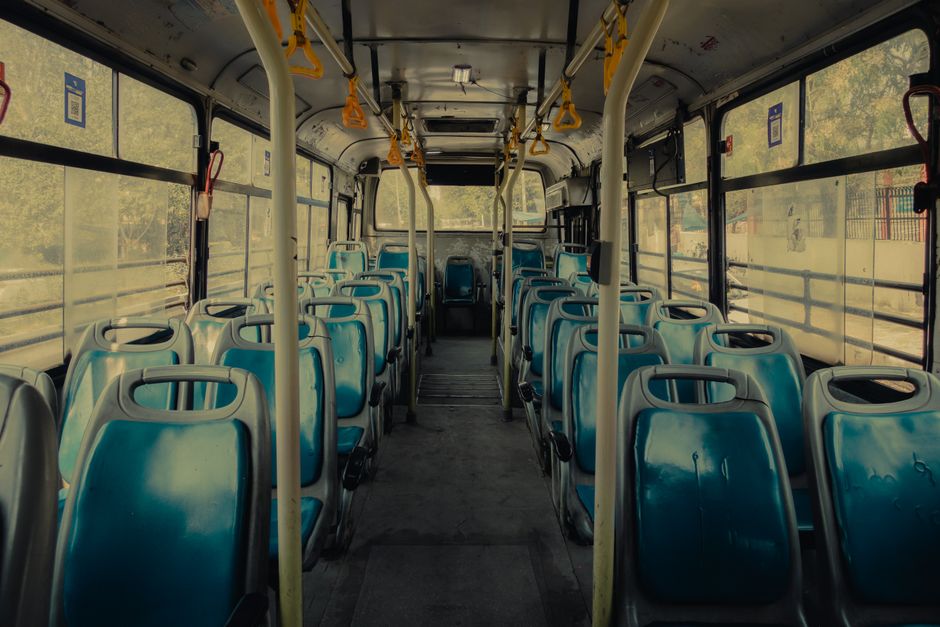
- Comfort: Modern charter buses offer reclining seats, climate control, restrooms, and entertainment systems. Trains offer more room to walk around and, on some routes, dining cars or sleeper cabins.
- Speed: Trains can be faster on certain high-speed corridors, but charter buses often win on point-to-point routes without direct rail connections.
- Group logistics: Charter buses keep your entire group together in one vehicle. Trains may split large groups across multiple cars or even multiple trains.
- Availability: Charter buses can be booked for almost any route in the country. Train service is limited to existing rail lines and stations.
Neither option is universally
For related reading, see our guide on Charter Bus Packing List for Group Travel: The Complete Checklist.
Neither option is universally better than the other. The right choice depends on your group size, budget, destination, schedule flexibility, and what kind of experience you want your travelers to have. Let’s break down each factor in detail so you can make the most informed decision for your specific trip.
Cost Comparison: Charter Bus vs Train
Cost is usually the first thing group organizers ask about, and it’s also one of the most misunderstood parts of this comparison. On the surface, train tickets can look cheap when you check a single fare online. But group travel pricing works differently than individual travel pricing, and the math often flips once you start adding people.
How Charter Bus Pricing Works
Charter bus companies typically price by the vehicle, not by the seat. That means a 50-passenger motorcoach costs the same whether you fill every seat or only bring 35 people. Pricing is usually based on a combination of factors:
- Trip distance and estimated drive time
- Number of days the bus is needed
- Vehicle size and amenities requested
- Time of year and regional demand
- Driver hours and required rest breaks for longer trips
Because the cost is fixed per vehicle, the more people you bring, the lower your effective per-person cost becomes. A 40-person group splitting a single charter bus rental often pays significantly less per traveler than the same group would pay buying 40 individual train tickets, especially if those train tickets need to be purchased close to the travel date when prices spike.
How Train Pricing Works
Train tickets are priced per seat, and prices fluctuate based on demand, how far in advance you book, and whether you’re traveling during peak times. Group discounts do exist on many rail lines, but they usually require:
- Booking a minimum number of seats together (often 10 to 20 or more)
- Advance notice, sometimes 30 days or more before departure
- All travelers being confirmed under one reservation
- Payment in a single transaction, which can complicate group fundraising or individual payment collection
If your group is small, say under 15 people, train tickets purchased early can sometimes beat charter bus pricing. But once you cross into mid-size and large group territory, charter buses almost always come out ahead on cost, particularly for groups of 30 or more.
Hidden Costs to Watch For
When comparing prices, don’t just look at the sticker price. Factor in these often-overlooked costs:
- Transportation to and from stations: Train travel often requires additional transportation (taxis, rideshares, or personal vehicles) to get your group to and from the departure and arrival stations, which may not be centrally located.
- Baggage fees: Some train services charge extra for checked luggage or limit how much each passenger can bring, which can be a problem for groups traveling with sports equipment, instruments, or event materials.
- Meal costs: Charter buses allow groups to bring their own snacks and meals onboard, while train dining cars can be pricier than expected for a full group.
- Change and cancellation fees: Train tickets purchased at discounted advance rates are often non-refundable or come with steep change fees. Charter bus contracts typically offer more transparent and often more flexible deposit and cancellation policies that group leaders can plan around.
When you add up the full cost of the trip, including ground transportation, baggage, and flexibility around changes, charter buses frequently end up being the more economical option for organized groups, even when the initial per-ticket comparison looks close.
Comfort and Amenities: What Your Group Will Actually Experience
Cost matters, but comfort determines whether your group arrives at the destination refreshed or exhausted. Both charter buses and trains have improved significantly over the years, but they offer very different onboard experiences.
Charter Bus Comfort Features
Modern charter buses are built specifically for long trips and large groups. Depending on the company and vehicle you book, you can expect:
- Reclining, cushioned seats with adjustable headrests
- Individual climate control and reading lights
- Onboard restrooms, which eliminate the need for frequent unplanned stops
- Power outlets and USB charging ports at most or all seats
- Wi-Fi service on many coaches, though connectivity can vary in rural areas
- Entertainment systems with screens for movies or presentations
- Ample overhead and under-bus storage for luggage, equipment, or gear
Because everyone in your group is in the same vehicle, there’s also a social element that trains can’t replicate as easily. Groups can talk, plan, run icebreakers, or just relax together throughout the ride. For school groups, sports teams, and corporate outings, this shared time is often just as valuable as the destination itself.
Train Comfort Features
Trains offer their own version of comfort, and for some travelers, it’s the more appealing option. Advantages include:
- More room to walk around during the trip, including access to different cars
- Dining cars or cafe cars on many long-distance routes
- Sleeper cabins on select overnight routes, ideal for very long trips
- Large windows and scenic routes on certain rail lines
- Generally smoother ride quality on well-maintained tracks
The tradeoff is that train comfort can vary widely by route and rail provider. Commuter lines and regional trains may not offer the same amenities as long-distance intercity trains. Groups also lose some of the privacy and cohesion that comes with having an entire vehicle to themselves, since trains are shared with the general public unless a private car is chartered, which is rare and expensive.
Flexibility and Route Control
This is where charter buses tend to separate themselves from trains most clearly. Flexibility isn’t just a nice extra, it’s often the deciding factor for group organizers juggling complicated itineraries.
Custom Pickup and Drop-off Locations
Charter buses can pick your group up almost anywhere: a school parking lot, a church, a hotel, an office building, or a private residence. Trains require everyone to get themselves to a station, which may be far from where your group is actually staying or meeting.
Multiple Stops Along the Route
Many group trips aren’t simple point A to point B journeys. Maybe you need to stop for lunch, pick up additional passengers, or visit more than one attraction along the way. Charter buses are built for this kind of itinerary. As covered in our guide on whether a charter bus can make multiple stops, most charter companies are happy to build custom routes with as many stops as your itinerary requires. Trains, on the other hand, only stop at designated stations, and you have no control over adding or adjusting those stops.
Schedule Adjustments
Weather delays, traffic, late arrivals, or last-minute itinerary changes are a normal part of group travel. Charter bus drivers can adjust routes in real time, take alternate roads, or wait a few extra minutes for stragglers. Trains run on fixed schedules set by the rail operator, and once a train leaves the station, it leaves without you. There’s very little room for flexibility if your group runs behind.
Return Trip Flexibility
Charter bus rentals can be scheduled to wait onsite for the duration of an event, then depart whenever your group is ready. Trains require you to plan your return trip around fixed departure times, which means building your entire day around the train schedule rather than the other way around.
Group Logistics: Keeping Everyone Together
One of the most underrated benefits of charter bus travel is how much simpler it makes group logistics. Anyone who has tried to herd a large group through a busy train station knows this firsthand.
One Vehicle, One Group
With a charter bus, your entire group travels together in one vehicle from departure to arrival. There’s no risk of splitting up across train cars, losing track of stragglers on a platform, or having part of the group miss a train while the rest boards. This is especially valuable for groups traveling with:
- Children or students who need close supervision
- Seniors who may need extra time or mobility assistance, as discussed in our senior group trip planning guide
- Large teams or delegations that need to stay together for logistical or safety reasons
- Groups with lots of shared gear, equipment, or luggage that’s easier to load once rather than split across multiple train cars
Trains, especially on busy routes, may seat large groups across multiple cars or even split them onto different trains entirely if seats aren’t available together. That fragmentation creates headwinds for chaperones, trip leaders, and anyone responsible for keeping the group organized and accounted for.
Headcounts and Supervision
On a charter bus, a single chaperone or trip leader can do a headcount in minutes. On a train, doing an accurate headcount across multiple cars, especially on a moving train with people getting up to use the restroom or dining car, is far more difficult. For school trips, youth groups, and any situation requiring strict supervision, this is a meaningful practical advantage for buses.
Luggage and Equipment Handling
Charter buses typically have large under-bus cargo holds that can accommodate suitcases, sports equipment, musical instruments, and event materials without extra fees. Groups traveling to festivals, tournaments, or conferences often have more gear than a typical train’s baggage allowance permits. If your trip involves significant equipment, it’s worth reviewing our festival group travel guide, which covers packing and logistics for gear-heavy trips.
Speed and Travel Time: Which Is Actually Faster?
This is one area where the answer genuinely depends on your specific route. There’s no universal winner here, and the details matter more than general assumptions.
When Trains Win on Speed
On established high-speed rail corridors, especially in the Northeast, trains can be dramatically faster than driving. A direct train route without traffic congestion and with fewer stops can shave significant time off a trip compared to a bus stuck on a congested highway during rush hour.
When Charter Buses Win on Speed
For routes without direct rail service, charter buses often win by default, since trains simply aren’t an option or require multiple transfers that add hours to the trip. Even on routes where both options exist, a charter bus traveling directly from your starting point to your exact destination can outpace a train that requires travelers to first get to a station, wait for departure, then arrange ground transportation on the other end to reach the final destination.
Total Door-to-Door Time Matters More Than Segment Time
It’s easy to compare train time versus bus time from station to station, but that’s not the full picture. The real comparison should be door-to-door: from your group’s starting location to their final destination, including all transfers, waiting periods, and connecting transportation. When you calculate total door-to-door time, charter buses frequently come out ahead, especially for regional trips under 400 to 500 miles where a direct bus route beats the combined time of driving to a station, waiting, riding the train, and then arranging transportation from the arrival station.
For longer trips, our long-distance charter bus travel guide offers practical tips for keeping groups comfortable and on schedule over extended drive times, including rest stop planning and overnight considerations.
Booking Process and Lead Time
How far in advance you need to book, and how easy the booking process is, can also influence which option makes more sense for your group.
Booking a Charter Bus
Charter bus rentals typically require:
- A quote request specifying your dates, group size, and route
- A deposit to secure the vehicle and driver
- A written contract outlining pickup times, drop-off locations, and any special requests
- Confirmation of final headcount, which can often be adjusted closer to the trip date depending on the company’s policy
Most charter bus companies can accommodate bookings anywhere from a few weeks out to same-week requests, depending on availability and season. Peak seasons like prom, graduation, and major holidays fill up faster, so earlier booking is always recommended, but there’s generally more flexibility than train group bookings allow.
Booking Train Tickets for a Group
Group train bookings often require:
- Advance notice, sometimes 30 to 60 days for the best group rates
- A minimum group size to qualify for discounted pricing
- Coordination through a group sales department rather than standard online booking
- A single point of payment, which can be difficult for groups collecting money from multiple individuals or families
If your trip planning timeline is short, charter buses tend to offer more last-minute flexibility. If you’re planning many months in advance and can lock in group rail discounts early, train travel becomes more competitive on price.
Environmental Considerations
Sustainability is an increasingly common factor in group travel decisions, especially for school groups, universities, and corporate organizations with environmental goals.
Both trains and charter buses are considered more environmentally efficient than individual car travel, since they consolidate many travelers into a single vehicle. Rail travel is often cited as slightly more fuel-efficient per passenger mile on average, particularly on electrified rail lines. However, charter buses still significantly outperform groups traveling separately by car or flying individually, since one full motorcoach can take dozens of personal vehicles off the road.
If sustainability is a priority for your organization, the more important factor is usually maximizing occupancy, whether that’s filling a charter bus close to capacity or consolidating a group onto a single train reservation rather than scattering across multiple departures or flights.
When a Charter Bus Is the Better Choice
Based on everything above, charter buses tend to be the stronger option in these situations:
- Mid-size to large groups: Groups of 20 or more almost always benefit from the per-vehicle pricing structure of charter buses.
- Routes without direct rail service: If your destination isn’t well connected by train, a charter bus may be the only practical group option.
- Trips requiring multiple stops: Field trips, multi-city tours, and itineraries with several destinations favor the flexibility of a charter bus.
- Groups needing close supervision: Schools, youth organizations, and senior groups benefit from staying together in one vehicle.
- Events with tight or unpredictable timelines: Weddings, sports tournaments, and business events with flexible end times work better with a bus that can wait onsite.
- Groups with significant luggage or equipment: Sports teams, bands, and conference attendees often have more gear than train baggage limits allow.
This flexibility is one reason charter buses are so commonly used for business conferences and university events, where door-to-door service and custom scheduling matter more than raw travel speed.
When a Train Is the Better Choice
Trains have their own scenarios where they make more sense than a charter bus:
- Small groups: Groups under 15 people traveling on a well-connected rail corridor may find train tickets cheaper, especially if booked far in advance.
- High-speed rail corridors: Routes with dedicated high-speed rail service can be genuinely faster than driving, particularly in congested urban regions.
- Scenic or experiential travel: Some groups want the train ride itself to be part of the experience, particularly on routes known for scenic views.
- Overnight long-distance trips: Sleeper cabins can make sense for very long routes where an overnight bus ride would be less comfortable.
- Travelers who want to move around during the trip: Trains allow more freedom of movement than sitting in an assigned bus seat for hours.
Can You Combine Both? A Hybrid Approach
Some group organizers use a hybrid strategy: taking a train for the long-haul portion of a trip, then booking a charter bus for local transportation once the group arrives at the destination city. This approach can make sense for very long distances where rail travel is genuinely faster, while still solving the last-mile problem of getting a large group from the train station to hotels, venues, or activities without relying on multiple taxis or rideshares.
For example, a university group traveling from a major city to a conference several states away might take a train for the long stretch, then arrange a charter bus to handle transportation between the arrival station, the hotel, and the conference venue each day. This gives the group the speed benefits of rail travel combined with the flexibility and group cohesion of a charter bus for local logistics.
Common Mistakes Groups Make When Choosing Between Bus and Train
After comparing both options, it’s worth highlighting a few planning mistakes that can lead to regret, regardless of which mode of transportation you choose.
Comparing Only the Ticket Price
As covered earlier, the sticker price on a train ticket rarely reflects the full cost once you add ground transportation, baggage fees, and meal costs. Always calculate the total trip cost, not just the transportation line item.
Underestimating Group Supervision Needs
Organizers sometimes assume a train will be simpler because there’s no driving involved, but managing a large group across a moving train with multiple cars can be more chaotic than expected. If supervision is a major concern, weigh that heavily in your decision.
Not Accounting for Last-Mile Transportation
Arriving at a train station is not the same as arriving at your destination. Many groups forget to budget time and money for the transportation needed to get from the station to the actual venue, hotel, or event.
Booking Too Late for Group Discounts
Whether you choose a bus or a train, waiting until the last minute typically means paying more. Charter buses offer more last-minute flexibility than trains, but early booking still secures better vehicle selection and pricing on both options.
If you’re new to organizing group transportation altogether, our guide for first-time charter bus passengers and our pre-departure checklist are useful resources for making sure nothing falls through the cracks, regardless of which transportation method you ultimately choose.
Frequently Asked Questions
Is a charter bus cheaper than a train for group travel?
For mid-size and large groups, charter buses are usually cheaper on a per-person basis because pricing is based on the vehicle rather than the number of seats. Small groups traveling on discounted advance rail tickets may occasionally find train travel less expensive, but once hidden costs like ground transportation and baggage fees are factored in, charter buses often still come out ahead.
Which option is better for large groups over 40 people?
Charter buses are generally the better choice for large groups. Trains may split groups of this size across multiple cars or trains, complicating supervision and seating. A single charter bus, or a few buses traveling together, keeps a large group unified and easier to manage throughout the trip.
Can a charter bus make stops along the way like a train can’t?
Yes. Charter buses can be routed to make as many stops as your itinerary requires, whether that’s a meal break, a scenic detour, or an additional pickup point. Trains only stop at fixed stations along their existing route, with no ability to add custom stops.
Are charter buses as comfortable as trains for long trips?
Modern charter buses offer reclining seats, climate control, restrooms, and entertainment systems that make long trips comfortable. While trains offer more room to walk around and, in some cases, dining cars or sleeper cabins, a well-equipped charter bus can be just as comfortable for most group travel needs, especially for trips under eight to ten hours.
How far in advance should we book a charter bus versus a train for a group trip?
Charter buses can often be booked with just a few weeks of notice, though popular travel seasons fill up faster. Group train bookings typically require more lead time, often 30 to 60 days, to secure the best group discount pricing. If your planning timeline is short, a charter bus generally offers more flexibility.
Final Verdict: Which Option Wins?
There’s no single answer that applies to every group, but the overall pattern is clear. For groups of 20 or more, for trips involving multiple stops or custom itineraries, for organizations that need to keep everyone together and accounted for, and for routes without strong rail connections, charter buses come out ahead in most practical comparisons. They offer more predictable pricing, more flexible scheduling, and a level of group cohesion that trains simply can’t match.
Trains still hold their advantages, particularly for small groups traveling on established high-speed corridors, or for organizations that value the unique experience of rail travel itself. If your group is small, your route is well served by fast rail service, and your budget allows for early booking, a train can be a great option.
The best approach is to evaluate your specific group size, route, budget, and itinerary needs against the factors covered in this guide, rather than defaulting to one option out of habit. Whichever you choose, planning ahead, understanding the full cost picture, and confirming logistics well before departure will make the biggest difference in how smoothly your trip actually goes.