Best National Parks to Visit by Charter Bus

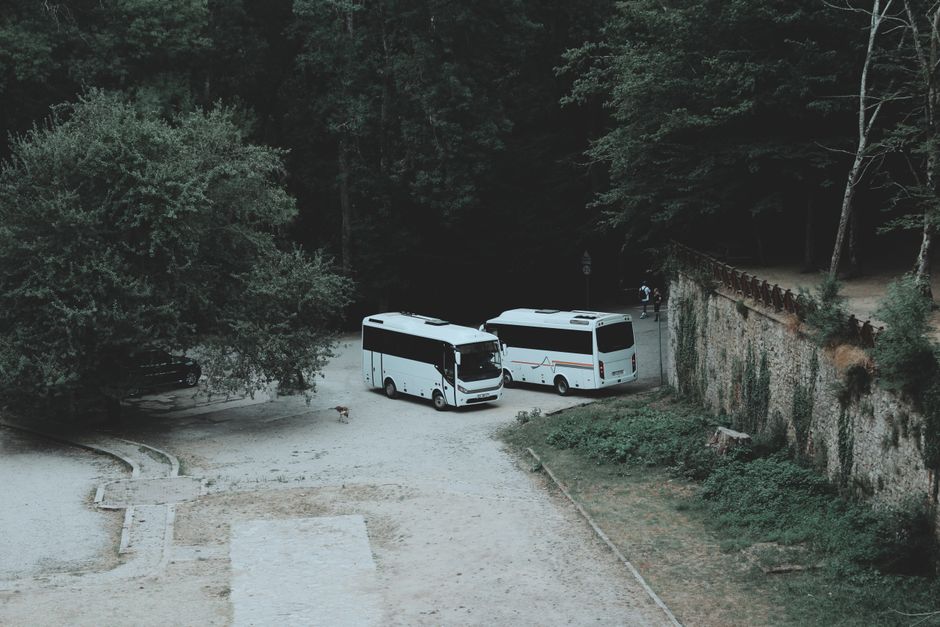
There is something about seeing a national park through a big window that a car trip just cannot match. When you plan group travel to national parks by charter bus, everyone gets a comfortable seat, nobody has to worry about parking, and the whole group arrives together ready to explore. Whether you are organizing a school trip, a church group outing, a corporate retreat, or a multi-generational family reunion, a charter bus turns a logistical headache into a relaxed, scenic journey.
In this guide, we will walk through the best national parks to visit by charter bus, what makes each one a good fit for group travel, and the practical details you need to know before booking. You will also learn how to pick the right bus size, what to expect from park roads and parking regulations, and how to keep passengers comfortable on longer rides. By the end, you should have a clear picture of where to go and how to get your group there smoothly.
Why Charter Buses Make Sense for National Park Trips
National parks attract enormous crowds, especially during peak season. Parking lots fill up by mid-morning at popular parks, and shuttle systems often have long wait times. A charter bus solves several of these problems at once.
- Fewer vehicles, less hassle: One bus replaces a dozen or more personal cars, which means less time spent hunting for parking spots.
- Everyone travels together: Groups stay in one place instead of getting separated across multiple vehicles on winding mountain roads.
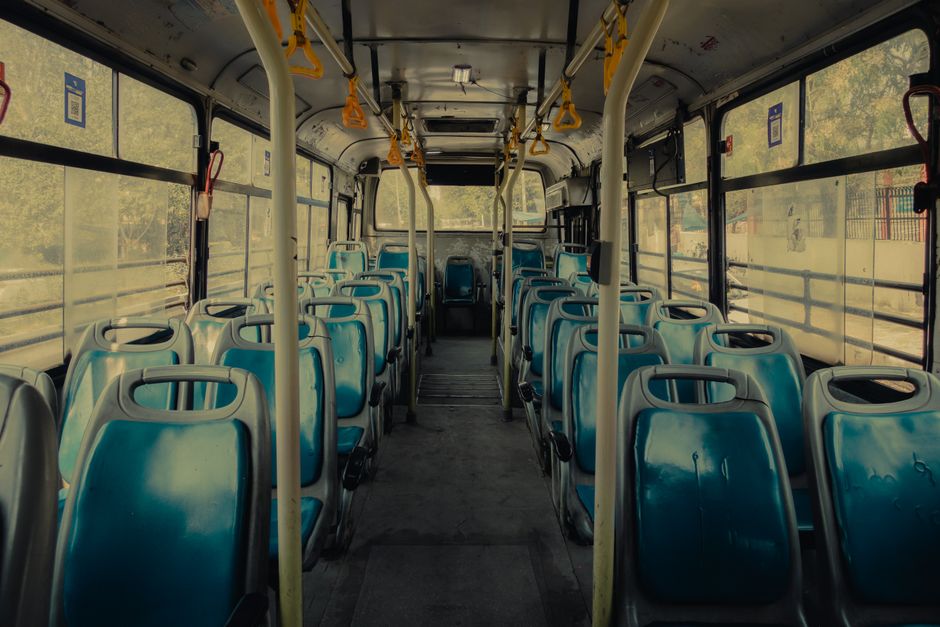
- Comfort on long drives: Many national parks are several hours from major cities, and a charter bus offers reclining seats, climate control, and restrooms on board.
- Local driver knowledge: Experienced charter drivers often know the best routes, seasonal road closures, and drop-off points near visitor centers.
- Lower environmental impact: Fewer cars on park roads means less traffic congestion and fewer emissions per passenger.
If you are new to this type of trip, it helps to first understand the rules around bus access. We cover this in detail in our guide on whether charter buses can go to national parks, which explains size restrictions, permit requirements, and road limitations you should check before finalizing your itinerary.
What to Know Before Booking a Charter Bus for a National Park
Not every national park road is built for large vehicles. Some scenic byways have sharp switchbacks, low clearances, or seasonal closures that affect bus access. Before you lock in a date, confirm the following:
- Whether the park allows full-size motorcoaches on the roads you plan to use.
- If there are designated bus parking areas near visitor centers or trailheads.
- Seasonal road closures, especially in mountain parks that close certain passes in winter.
- Whether your group needs a park entrance reservation or timed-entry pass in addition to the standard fee.
- Local regulations on idling, noise, or overnight parking within park boundaries.
Many parks require advance notice for large groups arriving by bus, particularly during summer and fall when visitation peaks. Calling the park’s group services office a few weeks ahead can save you from surprises at the gate.
Best National Parks to Visit by Charter Bus
Some national parks are simply better suited to bus travel than others, thanks to wider roads, designated group parking, and shuttle infrastructure. Below are the parks that consistently work well for charter bus groups, along with what makes each one worth the trip.
1. Great Smoky Mountains National Park (Tennessee/North Carolina)
Great Smoky Mountains is the most visited national park in the country, and it is also one of the easiest to reach by charter bus. The park sits close to Gatlinburg and Pigeon Forge, two towns that already cater to large tour groups with hotels, restaurants, and attractions built around bus traffic.
Roads like Newfound Gap Road are wide enough for motorcoaches, and there are several pullouts and overlooks where a bus can stop for photos. Fall foliage season, from mid-October through early November, is the busiest time to visit, so groups should book well in advance. If your trip includes stops in Tennessee beyond the park itself, take a look at our roundup of must-visit group destinations in Tennessee for ideas on extending the itinerary.
2. Grand Canyon National Park (Arizona)
The Grand Canyon’s South Rim is built for tour bus traffic, with dedicated bus parking near the visitor center and a free shuttle system that connects viewpoints along the rim. This makes it one of the most convenient parks for large groups, since your driver can drop everyone off and passengers can walk or ride shuttles to different lookout points without needing the bus to move.
Groups coming from the West Coast often combine a Grand Canyon stop with other Southwest destinations. If your trip originates in Southern California, our article on top group getaways from Los Angeles outlines several route options that can be paired with a Grand Canyon leg.
Keep in mind that the North Rim has far less infrastructure and closes seasonally, so most charter groups stick to the South Rim for reliability and access.
3. Yellowstone National Park (Wyoming/Montana/Idaho)
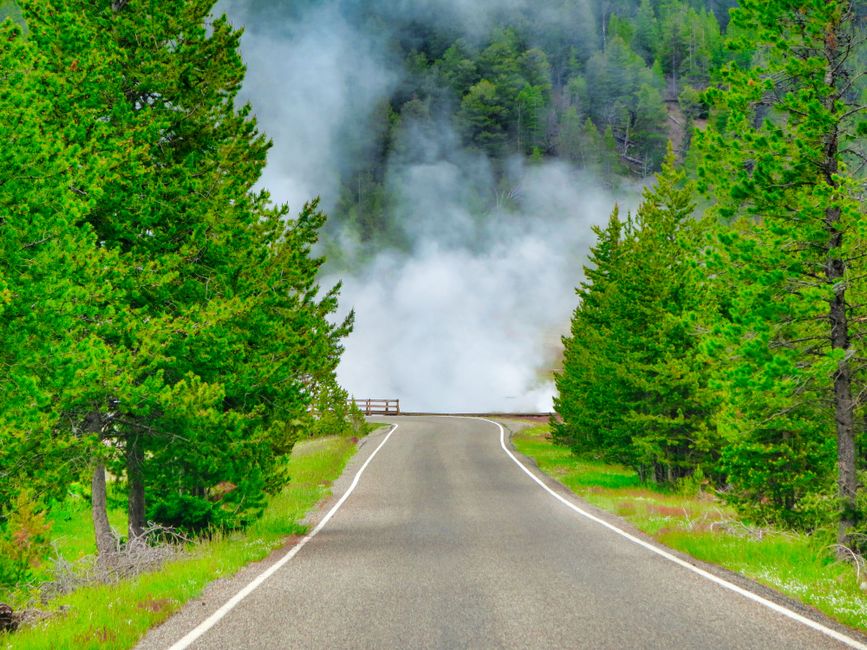
Yellowstone is enormous, and a charter bus is genuinely one of the best ways to see it without exhausting your group. The park’s main loop road connects Old Faithful, the Grand Prismatic Spring, and Yellowstone Lake, and a bus allows passengers to nap or relax between stops instead of driving themselves for hours.
Because Yellowstone spans three states and covers nearly 3,500 square miles, planning matters. Build extra time into your schedule for wildlife jams, which happen when bison or elk wander onto the road and traffic simply stops. Most charter drivers who have worked this route before know to expect these delays and can adjust timing accordingly.
4. Yosemite National Park (California)
Yosemite Valley offers dramatic granite cliffs, waterfalls, and meadows, all accessible from roads that can handle motorcoaches. However, valley traffic gets heavy in summer, and parking for large vehicles is limited near popular trailheads like Yosemite Falls and Tunnel View.
A smart strategy for group trips is to have the bus drop passengers at a central point, such as Yosemite Village, and let the free in-park shuttle handle the rest of the movement. This avoids the bottleneck of trying to navigate a full-size bus through valley traffic multiple times in one day.
5. Zion National Park (Utah)
Zion restricts private vehicle traffic on Zion Canyon Scenic Drive for most of the year, requiring a park shuttle instead. Charter buses typically drop groups at the visitor center, where passengers transfer to the park’s shuttle system to reach trailheads like Angels Landing and the Riverside Walk.
This setup actually works in favor of large groups, since it removes the need to find bus parking deep in the canyon. Just be aware that shuttle wait times can stretch during peak summer months, so building buffer time into the schedule keeps the day from feeling rushed.
6. Rocky Mountain National Park (Colorado)
Rocky Mountain National Park offers Trail Ridge Road, one of the highest paved roads in the country, with sweeping alpine views above 11,000 feet. The road is open to buses, though it closes seasonally, typically from mid-October through Memorial Day, depending on snowfall.
Groups visiting in summer should expect a timed-entry reservation system during peak hours, so check current requirements before departure. The high elevation can also affect passengers who are sensitive to altitude, so plan for a slower pace and encourage hydration throughout the day.
7. Acadia National Park (Maine)
Acadia is a favorite for East Coast groups thanks to its mix of rocky coastline, forested trails, and the summit views from Cadillac Mountain. The Park Loop Road accommodates larger vehicles, though the Cadillac Summit Road has size restrictions during certain hours in peak season, so drivers need to check current regulations before planning a summit visit.
Fall foliage season draws heavy crowds, similar to the Smokies, so early booking is essential if your group wants to see the color change in late September or early October.
8. Shenandoah National Park (Virginia)
Shenandoah’s Skyline Drive runs 105 miles along the ridge of the Blue Ridge Mountains, with more than 75 overlooks where a bus can pull off for photos. The road is well maintained and regularly used by tour groups, making it one of the more accessible mountain parks for motorcoach travel.
Because Shenandoah sits within a few hours of Washington, D.C., it works well as a day trip or an add-on to a broader East Coast itinerary. Government or educational groups traveling from the capital region often find it a convenient stop, and if your trip involves official travel protocols, our guide to charter bus travel for government groups covers the compliance details worth knowing.
9. Grand Teton National Park (Wyoming)
Grand Teton pairs naturally with a Yellowstone trip, since the two parks connect via a scenic parkway. The jagged mountain range rising straight from the valley floor makes for some of the most photogenic overlooks in the country, and the main highway through the park handles bus traffic without issue.
Many charter groups treat Grand Teton as a scenic drive-through with a few stops at Jenny Lake and the Snake River Overlook, rather than a full-day destination, which keeps a combined Yellowstone and Teton itinerary manageable in a week-long trip.
10. Everglades National Park (Florida)
Everglades offers a completely different experience from the mountain parks, with airboat tours, wetland boardwalks, and abundant wildlife viewing. The main road to the Ernest Coe Visitor Center and Flamingo area is bus-friendly, and there are pull-off parking areas suited to larger vehicles.
Because the Everglades gets extremely hot and humid for most of the year, groups traveling in summer should plan indoor breaks and encourage sun protection. Winter and early spring, from December through April, tend to offer more comfortable temperatures for group outings.
11. Olympic National Park (Washington)
Olympic is unusual in that it combines rainforest, mountain, and coastline ecosystems within a single park. The Hurricane Ridge Road and the road to Hoh Rain Forest both accommodate charter buses, though winter snow can close Hurricane Ridge without much notice, so a spring or summer visit is more reliable for groups.
Because the park’s regions are spread far apart, most groups pick one or two areas to focus on rather than trying to see everything in a single day.
12. Sequoia and Kings Canyon National Parks (California)
Home to the General Sherman Tree, the largest tree on Earth by volume, Sequoia National Park draws visitors who want to see the giant sequoia groves up close. The Generals Highway connects Sequoia and Kings Canyon and is accessible to motorcoaches, though it winds significantly through mountainous terrain, so travel times run longer than the mileage might suggest.
Groups should double check seasonal closures on the Kings Canyon side, since heavy snow can shut sections of the road well into late spring.
Choosing the Right Charter Bus for a National Park Trip
Picking the right vehicle matters just as much as picking the right park. Group size, trip length, and terrain all influence what type of bus makes the most sense.
Matching Bus Size to Group Size
A bus that is too large for your group wastes money, while one that is too small leaves passengers cramped for a long ride. If you are traveling with a smaller group, our guide on the best charter bus for 15 passengers can help you figure out whether a minibus or a full-size coach fits better. Mid-sized groups often benefit from the options covered in our best charter bus for 25 passengers guide, while larger school, church, or corporate groups tend to look at the choices in our 35-passenger charter bus guide or the 45-passenger charter bus guide for full coach options.
Considering Passenger Needs
National park trips often involve long stretches of sitting, altitude changes, and limited access to restrooms once you are on scenic drives. If your group includes older travelers, our resource on the best charter bus for elderly travelers walks through comfort features worth requesting, such as extra legroom, easier boarding steps, and onboard restrooms. It pairs well with our broader look at whether charter buses work well for senior citizens on longer trips.
If passengers use wheelchairs or have mobility limitations, confirm ahead of time that your bus offers accessible boarding. Our guide on whether charter buses have ADA lifts explains what to ask for when booking and what accommodations are standard versus optional.
Traveling with children brings its own set of considerations, from entertainment to snack breaks to safety rules on board. Our article on choosing the best charter bus for kids covers what to look for if your trip includes a school group or family outing.
Planning Tips for a Smooth National Park Charter Bus Trip
A great national park trip by charter bus comes down to preparation. Here are the details experienced group leaders pay attention to before departure day.
Book Early, Especially in Peak Season
Summer and fall are the busiest months for nearly every park on this list. Popular parks like Great Smoky Mountains, Yellowstone, and Zion often see charter bus reservations fill up months ahead of the actual trip date, so start planning as early as possible.
Confirm Entry Requirements
Some parks have moved to timed-entry reservation systems during peak visitation, meaning your bus needs to arrive within a specific window. Check the individual park’s website close to your travel date, since these systems change from year to year.
Compare Quotes Carefully
Pricing between charter companies can vary based on distance, trip length, vehicle type, and driver hours. Before signing a contract, it helps to understand what should be included in a quote. Our guide on how to compare charter bus quotes breaks down the line items to watch for, including fuel surcharges, driver overtime, and cancellation terms.
Understand Overnight Costs
Multi-day national park trips often require the driver to stay overnight near the park. Groups sometimes overlook this cost when budgeting. Our article on who pays for driver hotels explains how these charges typically work and how to budget for them properly.
Know the Refund and Cancellation Policy
Weather can shut down mountain roads with little warning, and travel plans sometimes change. Before you pay a deposit, read through the operator’s cancellation terms carefully. Our charter bus refund policy guide explains what is typically refundable and what usually is not.
Comfort and Safety During Long Park Drives
Many national park trips involve several hours on the road, sometimes across multiple days, so keeping passengers comfortable matters as much as the destination itself.
Temperature Control
Mountain parks can swing from warm afternoons to cold nights, and buses need working climate control to keep up. If you are traveling somewhere with cold mornings or high elevation, it is worth understanding how cold a charter bus can get so passengers can dress and pack appropriately.
Staying Connected
Cell service is spotty inside most national parks, but passengers often want to charge devices before losing signal or after a long day of photos. Check with your charter company about whether you can charge your phone on the bus so you know what to expect on board.
Rest Stops and Altitude Adjustments
Parks like Rocky Mountain and Yosemite reach significant elevations, which can affect passengers unaccustomed to thinner air. Build in extra rest stops, encourage water intake, and avoid packing the schedule too tightly on the first day at altitude.
Sample Multi-Park Itineraries by Region
Grouping nearby parks into a single trip cuts down on total travel time and gives your group more scenery per mile. Here are a few regional combinations that work well by charter bus.
Southwest Loop
Grand Canyon combined with Zion National Park makes for a strong five to seven day trip, often starting and ending in Las Vegas or Phoenix. Both parks are motorcoach-friendly and offer dramatic, contrasting landscapes within a few hours’ drive of each other.
Northern Rockies Loop
Yellowstone and Grand Teton sit close enough together that most groups visit both on the same trip. A week gives enough time to see the major highlights of each park without feeling rushed.
Appalachian Fall Foliage Route
Great Smoky Mountains and Shenandoah can anchor a longer East Coast tour, especially during peak leaf season in October. Groups sometimes add stops in nearby towns to break up the driving and give passengers a change of pace between park visits.
California Sierra Route
Yosemite and Sequoia and Kings Canyon sit within a reasonable drive of each other in the Sierra Nevada, making a combined trip practical for groups traveling from the Bay Area or Sacramento region.
Frequently Asked Questions
Can a full-size charter bus actually enter national parks?
Yes, most major national parks allow full-size charter buses on their main roads, though some scenic byways and side roads have size or length restrictions. It is always best to confirm current regulations with the specific park before booking, since rules can change seasonally.
Which national parks are easiest to visit by charter bus?
Great Smoky Mountains, Grand Canyon’s South Rim, and Zion National Park are among the easiest for group travel, thanks to established bus parking, shuttle systems, and infrastructure built to handle heavy tour traffic.
Do national parks require reservations for large tour groups?
Many popular parks now use timed-entry systems or require advance notice for groups arriving by bus, especially during peak season. Contacting the park’s group services office a few weeks ahead is a smart step before finalizing your itinerary.
What is the best time of year to visit national parks by charter bus?
It depends on the park. Mountain parks like Rocky Mountain and Yellowstone are best visited between late spring and early fall due to seasonal road closures, while desert parks like Grand Canyon and Zion can be visited nearly year round, with spring and fall offering milder temperatures than summer.
How far in advance should we book a charter bus for a national park trip?
For peak season travel, aim to book at least two to three months ahead, especially for popular parks during summer and fall foliage season. Popular routes and dates can fill up quickly with school groups, tour companies, and other organizations planning similar trips.
Final Thoughts
Visiting national parks by charter bus takes the stress out of group travel and lets everyone focus on the scenery instead of navigation, parking, or splitting up across multiple cars. From the wide, bus-friendly roads of Great Smoky Mountains and Grand Canyon to the shuttle-supported canyons of Zion, there is a national park suited to almost any group size and travel style.
The keys to a successful trip come down to early planning, choosing the right bus size for your group, and understanding each park’s specific rules around road access and seasonal closures. With the right preparation, a charter bus trip to any of the parks on this list can turn into one of the most memorable group outings your organization takes all year.