What Is a Motorcoach? Complete Guide to Types, Features, and Uses

If you’ve ever booked group transportation and seen the word “motorcoach” tossed around alongside “charter bus” and “tour bus,” you’re not alone in wondering whether they’re all the same thing. A motorcoach is a large, purpose-built passenger vehicle designed for long-distance and group travel, typically featuring reclining seats, overhead storage, onboard restrooms, and climate control. In this guide, you’ll learn exactly what separates a motorcoach from other bus types, the different classes of motorcoaches available, how many passengers they hold, what they typically cost to rent, and how to pick the right one for your trip.
Whether you’re planning a wedding shuttle, a multi-city tour, a corporate retreat, or a cross-country school trip, understanding what a motorcoach actually is will help you make a smarter, more informed booking decision.
What Is a Motorcoach? A Clear Definition
A motorcoach is a heavy-duty, single-level (or double-decker) vehicle engineered specifically for comfortable group transportation over medium to long distances. Unlike city transit buses, which are built for frequent stops and standing passengers, a motorcoach is built for sustained highway travel. That means a smoother ride, higher-backed seats, dedicated luggage bays underneath the cabin, and a more insulated, quieter interior.
Motorcoaches are commonly used by charter companies, tour operators, school districts, corporations, and private groups. In casual conversation, most people simply call them “buses,” but within the transportation industry, the term motorcoach refers specifically to this higher-end, highway-capable vehicle class rather than a city transit bus or a school bus.
The word itself comes from the older term “coach,” which historically referred to any enclosed passenger vehicle built for comfort over long trips, whether pulled by horses or, eventually, powered by an engine. Today’s motorcoach is essentially the modern evolution of that idea: a self-contained, comfortable vessel for moving groups of people efficiently and safely.
Motorcoach vs. Charter Bus vs. School Bus vs. Minibus
These terms get used interchangeably so often that it’s worth clarifying how they actually differ.
Motorcoach vs. Charter Bus
Technically, “motorcoach” describes the vehicle type, while “charter bus” describes the service model, renting a vehicle and driver for a private, exclusive trip. In practice, most charter buses on the road today are motorcoaches. So when a company advertises a charter bus rental, they are almost always offering you a motorcoach. If you’re trying to figure out capacity or configuration for your group, this complete sizing guide breaks down which vehicle class fits which group size.
Motorcoach vs. School Bus
School buses are built for short, frequent trips with basic bench seating, no luggage storage, and no onboard restroom. Motorcoaches, on the other hand, are built for extended travel comfort. Some school districts actually rent motorcoaches instead of traditional school buses for long field trips or overnight excursions, precisely because they offer reclining seats and restrooms that make multi-hour rides more bearable for students.
Motorcoach vs. Minibus
A minibus is a smaller vehicle, generally seating between 14 and 30 passengers, often used for shuttle service, airport transfers, or smaller group outings. A motorcoach is significantly larger, usually seating 40 or more passengers, and offers a different level of amenities. If your group is on the smaller side, it’s worth comparing capacities using this minibus capacity guide before committing to a full-size motorcoach.
Key Features and Amenities of a Motorcoach
What actually makes a motorcoach different from a regular bus comes down to the details baked into its design. Manufacturers build these vehicles specifically for hours-long trips, so comfort and convenience are priorities from the ground up.
Seating and Interior Design
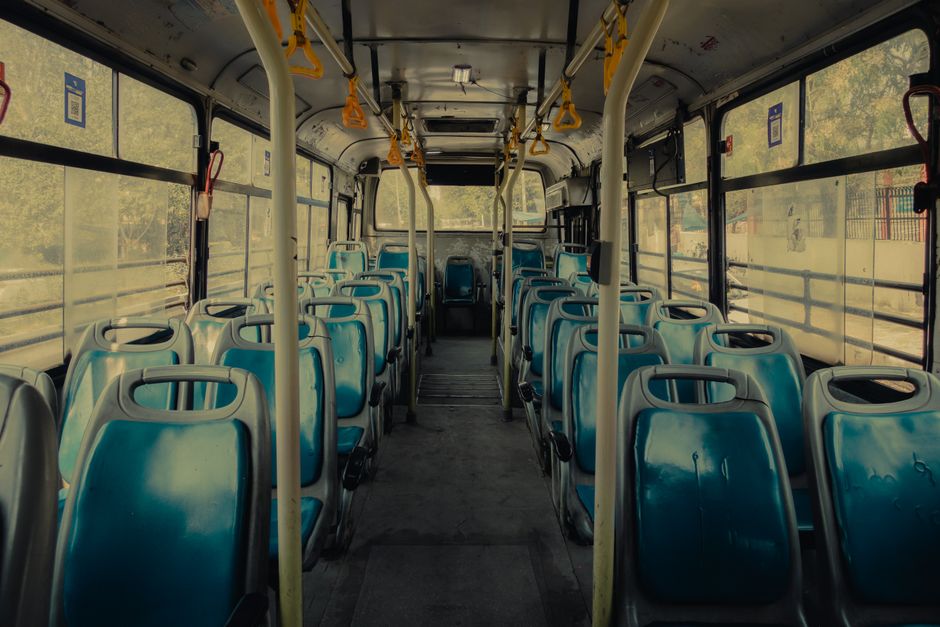
Motorcoach seating is one of its defining features. Seats are typically high-backed, cushioned, and reclining, often with adjustable headrests, footrests, and individual reading lights. Row spacing (known as “seat pitch”) is generally more generous than what you’d find on a city bus, giving passengers room to stretch out. Tinted windows, curtains, and individual air vents are also standard on most models.
Luggage and Storage
Underneath the passenger cabin, motorcoaches have large, enclosed cargo bays capable of holding suitcases, sports equipment, or event supplies. This is a major differentiator from minibuses and school buses, which typically have limited or no dedicated luggage space. Many motorcoaches also include overhead racks inside the cabin for smaller carry-on items.
Onboard Technology and Entertainment
Modern motorcoaches often include Wi-Fi, power outlets or USB ports at each seat, overhead televisions or drop-down screens, and PA systems for tour guides or group leaders. Some higher-end coaches even offer satellite radio and DVD players. For groups planning a longer trip, it’s worth reviewing available entertainment options so passengers stay comfortable and occupied on the road.
Restrooms and Onboard Comfort
Unlike minibuses or school buses, nearly all full-size motorcoaches include an onboard restroom, which is a major convenience on long trips. Many also have a small galley area for beverages or snacks, along with climate control systems that keep the cabin comfortable regardless of outside temperature.
Safety Features
Because motorcoaches travel at highway speeds for extended periods, they’re built with reinforced frames, advanced braking systems, and increasingly, features like lane departure warnings, electronic stability control, and seatbelts at every seat. Many newer coaches also include cameras and telematics systems that let operators monitor driver behavior and vehicle performance in real time.
Types of Motorcoaches
Not all motorcoaches are built the same. Depending on the manufacturer, model year, and intended use, coaches fall into a few general tiers.
Entry-Level Motorcoaches
These are straightforward, no-frills coaches that prioritize reliable transportation over luxury extras. They still include reclining seats, air conditioning, and a restroom, but may lack Wi-Fi or premium entertainment systems. They’re a solid, budget-friendly option for straightforward point-to-point trips.
Mid-Range Motorcoaches
This is the most common category booked by charter companies. Mid-range coaches typically include Wi-Fi, power outlets, overhead screens, and more comfortable upholstery. They strike a balance between cost and comfort, making them popular for corporate trips, weddings, and multi-day tours.
Luxury or Executive Motorcoaches
Luxury coaches step things up with leather seating, extra legroom, onboard lavatories with upgraded fixtures, mood lighting, and sometimes even limited seating capacity to maximize personal space. These are often used for VIP transportation, executive retreats, or high-end tour packages.
Double-Decker Motorcoaches
Double-decker coaches stack seating across two levels, dramatically increasing capacity without requiring a longer vehicle footprint. These are popular for large tour groups and sightseeing operations, though they’re less common in standard charter fleets due to height restrictions on certain routes.
Mini and Mid-Size Motorcoaches
Some manufacturers also produce smaller-scale motorcoaches, sometimes called “mini coaches,” that offer many of the same amenities in a more compact shell seating around 20 to 35 passengers. These work well for mid-sized groups that still want the comfort features of a full coach without paying for unused seats.
How Many Passengers Fit on a Motorcoach?
Standard full-size motorcoaches typically seat between 40 and 56 passengers, depending on the manufacturer, floor plan, and seat pitch. A few factors influence exact capacity:
- Seat spacing: Coaches with extra legroom or reclining seats will seat fewer passengers than those with standard spacing.
- Onboard restroom placement: A rear restroom typically takes up the space of a row or two of seating.
- ADA accessibility features: Coaches equipped with wheelchair lifts or designated accessible seating areas will have slightly reduced total capacity.
- Double-decker configuration: These can push total capacity well above 70 passengers.
If you’re trying to nail down the exact number of seats you’ll need for your group, this capacity guide walks through real seat counts by bus size, which is especially useful when you’re comparing quotes from different operators.
Common Uses for Motorcoaches
Because of their comfort features and long-distance capability, motorcoaches show up across a wide range of group travel situations, including:
- Multi-day tours and sightseeing trips, where onboard restrooms and reclining seats make hours of travel manageable
- Weddings, shuttling guests between venues, hotels, and ceremony locations
- Corporate events and employee shuttles, especially for offsite retreats or conferences
- School and university trips, particularly for longer field trips or athletic travel
- Religious retreats and mission trips, where groups travel together over extended distances
- Airport and hotel transfers for large groups arriving at the same time
- Music festivals and large public events, reducing parking congestion and rideshare costs
- Political campaign tours, where a coach doubles as both transportation and a mobile staging area
If any of these match your situation, it’s worth reading more specific planning resources, such as this guide to planning wedding transportation, this breakdown of multi-day tour logistics, or this overview of school field trip planning.
How Much Does It Cost to Rent a Motorcoach?
Motorcoach rental costs vary widely based on trip length, distance, seasonality, and the specific amenities included. As a general rule, expect higher costs for:
- Longer trips or multi-day itineraries requiring driver overnight accommodations
- Peak travel seasons, such as summer weddings or holiday events
- Luxury coaches with upgraded amenities
- Trips requiring multiple stops or complex routing
Most companies price motorcoach rentals using a combination of hourly rates, daily rates, and mileage charges, sometimes with a required minimum booking. For a full explanation of how these numbers actually get calculated, this pricing breakdown covers the variables that affect your final quote, including fuel surcharges, gratuity, and cancellation policies.
It’s also worth understanding exactly what’s bundled into a standard rental before comparing quotes. This breakdown of what’s typically included in a rental can help you avoid surprise fees for things like parking, tolls, or driver gratuity.
Motorcoach Safety and Regulations
Motorcoaches operating in the United States are regulated by the Federal Motor Carrier Safety Administration (FMCSA), which sets standards for driver qualifications, vehicle maintenance, hours-of-service limits, and inspection requirements. Reputable operators maintain current FMCSA operating authority and carry commercial insurance well above the minimum legal requirements.
Before booking, it’s smart to verify a company’s safety record through the FMCSA’s public database, which lists a carrier’s safety rating, inspection history, and any recorded violations. You can check this directly through the FMCSA’s official website.
Driver Requirements
Motorcoach drivers must hold a Commercial Driver’s License (CDL) with a passenger endorsement, and they’re subject to strict hours-of-service rules designed to prevent fatigue-related accidents. Companies with strong safety cultures typically also run regular drug and alcohol testing programs and ongoing driver training.
Vehicle Maintenance and Inspections
Well-maintained motorcoaches undergo routine inspections covering brakes, tires, steering systems, and emergency exits. Many states require annual safety inspections in addition to federal requirements, and reputable operators typically exceed these minimums with their own internal maintenance schedules.
Accessibility Compliance
Many motorcoaches are equipped with wheelchair lifts, securement areas, and accessible restrooms to comply with the Americans with Disabilities Act. If accessibility is a priority for your group, this accessibility features guide explains what to look for and which questions to ask before booking.
How to Choose the Right Motorcoach for Your Trip
Selecting the right motorcoach isn’t just about picking the biggest or cheapest option. A few practical questions will help narrow down your choice.
How many passengers are traveling?
Start with an accurate headcount, then add a small buffer for last-minute additions. Booking a coach that’s slightly larger than your exact number is usually smarter than booking one that’s too tight.
How long is the trip?
For short, local trips, an entry-level coach may be perfectly comfortable. For multi-hour or multi-day travel, prioritize reclining seats, onboard restrooms, and Wi-Fi.
What amenities actually matter to your group?
A corporate retreat might prioritize Wi-Fi and power outlets for laptops, while a school trip might prioritize entertainment screens and extra safety features. Match the coach’s amenities to your group’s actual needs rather than paying for extras nobody will use.
Is the company licensed, insured, and reputable?
This is arguably the most important factor. A well-maintained coach from a reputable company will always beat a cheaper option from an unverified operator. This complete guide to choosing a charter bus company walks through exactly what to check, including licensing, insurance, reviews, and contract terms, before you sign anything.
What’s your budget?
Get quotes from multiple companies and compare what’s actually included, not just the bottom-line price. Some quotes include fuel, tolls, and driver gratuity, while others tack these on separately.
Frequently Asked Questions
What is the difference between a motorcoach and a bus?
“Bus” is a broad category that includes everything from city transit buses to school buses, while a motorcoach specifically refers to a large, highway-capable vehicle built for long-distance comfort, featuring reclining seats, luggage storage, and typically an onboard restroom.
How many people can a motorcoach hold?
Most standard motorcoaches seat between 40 and 56 passengers, though double-decker models can hold significantly more. Exact capacity depends on seat spacing, restroom placement, and accessibility features.
Do all motorcoaches have restrooms?
The vast majority of full-size motorcoaches include an onboard restroom, though some smaller or entry-level models may not. It’s always worth confirming this detail directly with the rental company before booking.
Is a motorcoach the same as a charter bus?
In practice, yes, most vehicles booked as “charter buses” are motorcoaches. The distinction is subtle: “motorcoach” refers to the vehicle itself, while “charter bus” refers to the private rental service built around that vehicle.
How much does it cost to rent a motorcoach for a day?
Daily rental costs vary based on trip distance, duration, and season, and most companies use a combination of hourly and mileage-based pricing. Requesting quotes from a few licensed operators is the best way to get an accurate number for your specific trip.
Final Thoughts
A motorcoach is more than just a big bus. It’s a purpose-built vehicle designed for comfort, safety, and convenience over long distances, with features like reclining seats, onboard restrooms, luggage bays, and modern entertainment systems that set it apart from school buses, transit buses, and minibuses. Understanding these distinctions puts you in a much stronger position when comparing quotes, evaluating amenities, and choosing the right vehicle for your group’s specific trip.
Whether you’re organizing a wedding, a corporate retreat, a school trip, or a multi-day tour, knowing what a motorcoach actually offers, and what questions to ask before booking, will help you avoid surprises and get your group where it needs to go comfortably and safely.